Challenge your AI earning skills — structured drills, honest outcomes.
AI Earning Clash runs a scored, round-by-round curriculum for people who want billable AI workflow training, not a highlight reel. Six challenge rounds. One delivery scorecard. No promises we can't back up.
AI Earning Clash is an earning clash curriculum built for people who already have a trade, a client list, or an ambition to start one — and who want a structured way to fold AI tools into billable work. We do not sell a feeling. We run challenge rounds: timed, scored drills against a brief, reviewed against a delivery scorecard, at a Pasir Panjang studio inside Mapletree Business City.
Each round has a fixed brief, a fixed time box and a fixed review rubric. You leave with graded work, not a certificate for attendance. That is the whole method, and it is also the whole pitch: circuit-oriented training that treats billable AI work as a skill you drill, not a secret you buy.
Challenge rounds per cohort
Foundations through to the Final Clash Capstone, run back to back.
Weeks of scored drills
A fixed cohort calendar, published before match day one.
Delivery scorecard reviews
Every submitted round gets a scored, written review — no group-only feedback.
Learn. Automate. Package. Deliver.
Every challenge round in the curriculum moves through the same four gates, whatever the subject matter of that round happens to be.
Learn
Match briefing on the tool, workflow or client scenario for that round, with a worked example from a real billable job.
Automate
Build the AI-assisted workflow yourself, under a time box, using the same tools you would use on paying work.
Package
Turn the raw output into something a client could receive — scoped, labelled, priced and ready to send.
Deliver
Submit for a delivery scorecard review: a written, rubric-based score against clarity, accuracy and client-readiness.
How a challenge round actually runs
Match briefing
Each round opens with a match briefing: the client scenario, the tools in scope, the time box and the scoring rubric, published up front — no surprise criteria.
Scored drill
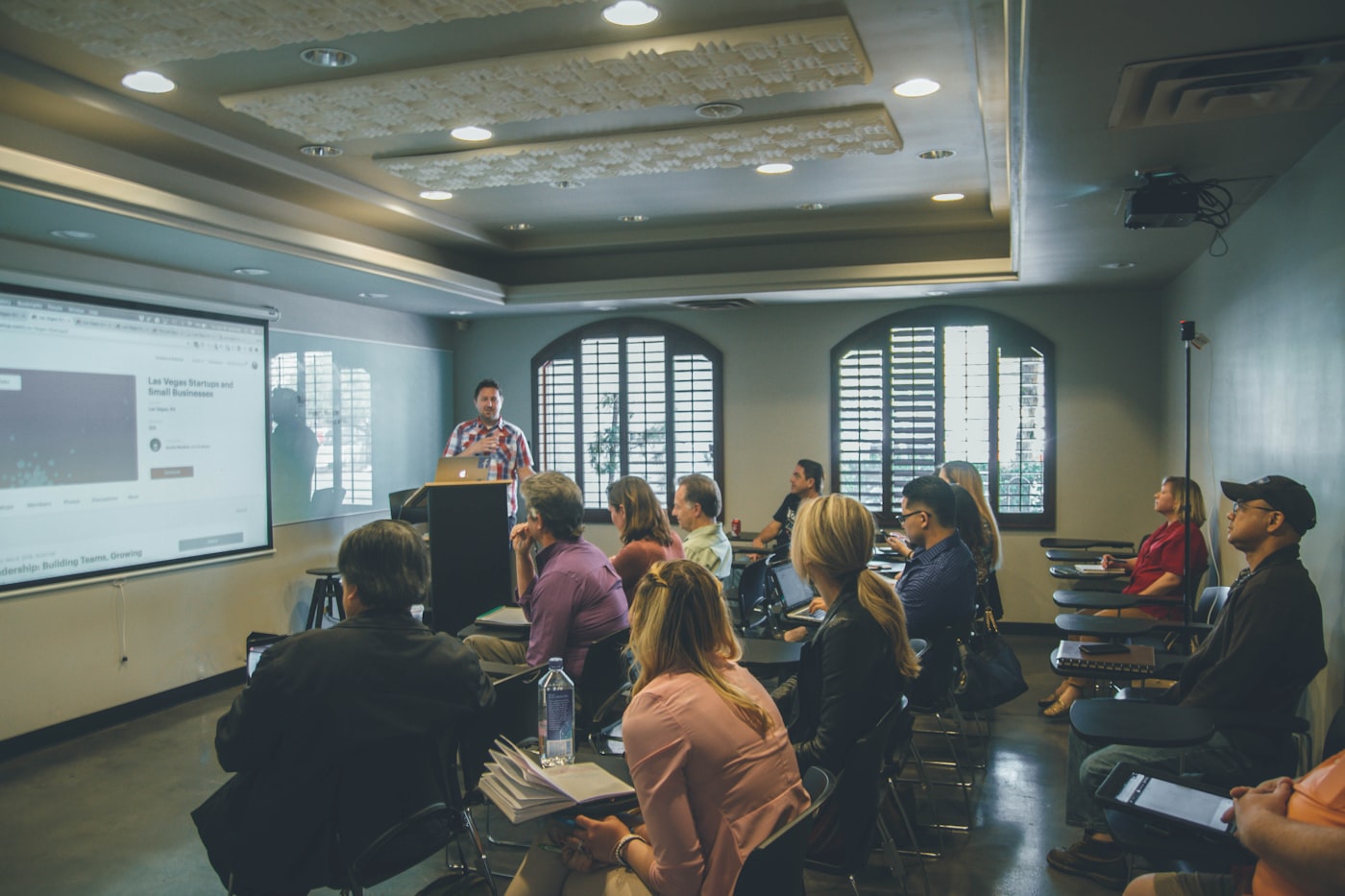
You run the workflow live, at the Pasir Panjang studio or on the cohort call, with a facilitator on hand for blockers but not for doing the work for you.
Delivery scorecard
Submissions are scored against the published rubric and returned with specific notes — what a client would accept, and what would bounce back.
Mapletree circuit desk follow-up
A short desk session at our Mapletree circuit desk to close gaps before the next round opens, so weak spots do not compound.
Pick a round, or run the full circuit
Every round can be booked on its own or as part of the full six-round curriculum ending in the Final Clash Capstone.
AI Earning Clash Foundations
Tools and workflows: the shared vocabulary and toolkit every later round assumes you already have.
View round detail →Client Service Workflow with AI
Running a real client engagement, from intake to handover, with AI tools inside the workflow rather than bolted on.
View round detail →Packaging AI-Assisted Services for Sale
Turning a workflow into a sellable service line — naming it, scoping it and presenting it without overclaiming.
View round detail →Pricing & Scope for Billable AI Work
Setting SGD pricing and scope boundaries for AI-assisted deliverables so margins survive contact with real clients.
View round detail →Productivity for More Billable Output
Sharpening the personal operating system behind the workflows so throughput rises without quality slipping.
View round detail →Capstone — Personal AI Earning Action Plan
A closing round where every drill becomes one written, dated action plan you can run after the cohort ends.
View round detail →Planning beats improvising when the brief is messy.
Before a scored drill starts, learners sketch the workflow on paper or in a notebook — intake questions, AI tool checkpoints, delivery review. That quiet planning step is part of the earning clash curriculum: it slows the urge to paste a vague prompt into ChatGPT and hope. The notebook becomes evidence on the delivery scorecard that you chose a repeatable AI process, not a lucky first draft.
At the Mapletree circuit desk, facilitators look for that plan as much as the final file. Billable workflow training means you can explain the steps when a client asks how the work was made.

What a round looks like in practice
Two short scenarios describing how learners typically move through the curriculum. No income figures — outcomes depend on effort, market and client demand.
The freelance operator adding an AI service line
Already billing clients for design or copy work, looking to add an AI-assisted service without diluting quality or pricing power.
- Round 1–2 close tool and workflow gaps against real client scenarios
- Round 3–4 turn the new workflow into a named, priced service line
- Capstone produces a written plan for the first two client pitches
The in-house executive scaling a small team's output
Running a small team that needs a shared AI workflow standard instead of five people improvising five different approaches.
- Round 2 sets a common client service workflow the whole team can run
- Round 5 raises billable output per person without extending hours
- Delivery scorecards give the manager a shared quality bar to coach against
Three questions we get every intake
Do you guarantee income or profit from your AI Earning Clash courses?
No. We run challenge-based drills that build billable-work skill; we do not guarantee income, profit, employment or client volume. See our full FAQ for the complete disclosure.
Is "Clash" a competition, a fight, or a game of chance?
No. "Clash" and "challenge round" describe our scored-drill training format only. There is no wagering, no elimination prize pool and no gambling element anywhere in the curriculum.
Can I join a single round instead of the full six-round circuit?
Yes. Every round is bookable on its own, though most learners run the full circuit through to the Final Clash Capstone for the complete delivery scorecard history.
Ready to see where you place on the board?
Round 1 opens most months. Book a seat or ask the circuit desk a question first.